
Suede and what it asks for
Napped leather is the same hide with a different face. It wants a brush and a dry spell, not a cloth and water.
Suede is leather sanded on the flesh side to raise a nap. Everything people find difficult about it follows from that nap: it holds dust, it darkens when it is crushed flat, and it takes water into the fibres instead of beading it off.
Ordinary upkeep
- Brush after wearing, in one direction, with a suede brush or a stiff nail brush kept for the job. It takes twenty seconds and does most of the work.
- Let mud dry completely before you touch it. Wet mud brushed into a nap becomes a stain.
- Lift crushed patches with the brush and a little steam from a kettle held well back.
- Keep the pair upright and loosely stuffed when it is off. A shaft folded over at the ankle creases across the fold and the crease stays.
Water
Suede and rain are not friends, though the damage is usually cosmetic rather than terminal. If a pair gets soaked, blot it, stuff it with paper to hold the shape, and dry it slowly and away from any heat source. A radiator dries the fibres hard and the nap never fully comes back. Once it is dry, brush it up.
A spray protector applied before the first wearing makes all of this easier. It does not make suede waterproof and anybody who tells you otherwise is selling something.
Smooth leather instead
If none of that appeals, the same shapes exist in smooth leather across the range. Smooth wipes clean, takes a cream polish, and forgives weather. Suede is chosen for how it looks and how it feels, and it asks for the brush in return.
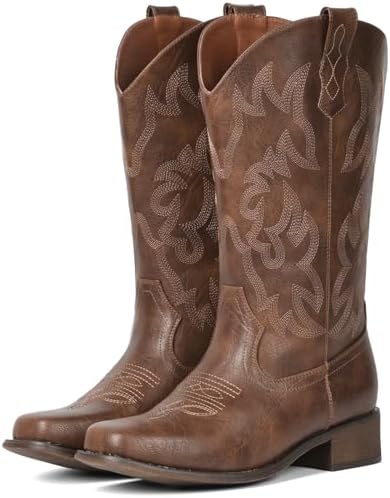
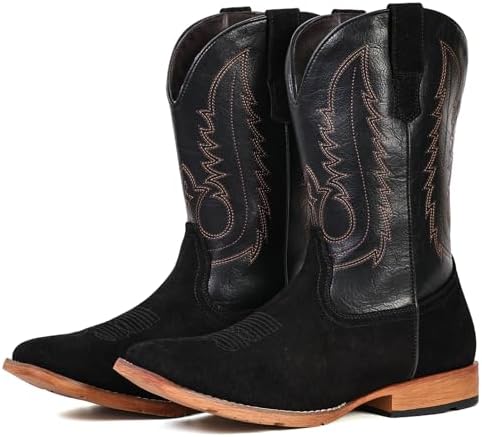
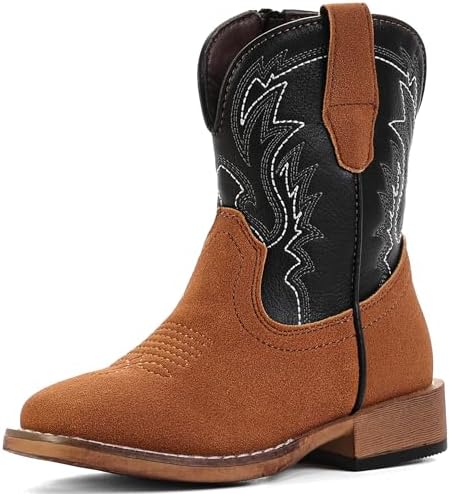
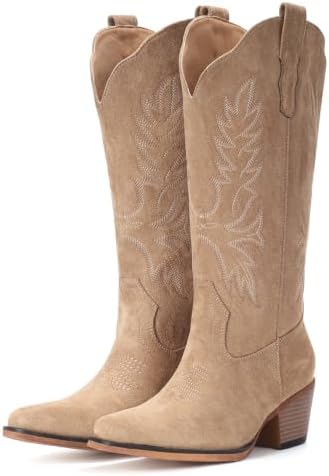
Suede in the range
More from the bench
- Measuring a foot before you pick a sizeA pull-on boot has no laces to take up slack, so length is the one thing you cannot correct afterwards. Here is how we would measure it.
- When a shaft will not closeSizing up in the foot does not fix a calf. What the opening figure means, where it comes from, and what to do when the numbers are close.
- Breaking in a new pairWhat actually softens, how long it takes, and which kinds of discomfort mean the boot is wrong rather than new.